
Amid the glitz and glamour of Australian Fashion Week, a stark reality loomed over the industry. While local designers showcased their creations, the garments themselves were manufactured overseas. The ongoing trade tensions between the United States and China have underscored Australia’s vulnerability in the global supply chain.

In an effort to secure the future of the industry and shield it from escalating costs and tariff uncertainties, the Australian Fashion Council has unveiled a sweeping initiative to bring clothing manufacturing back to Australian shores. This move comes at a time when only a mere 3% of Australia’s fashion is made domestically, with the vast majority outsourced overseas.

Looking back to the 1950s, Australia’s textile industry was flourishing, with bustling manufacturing hubs in Sydney and Melbourne. However, as operational costs surged and cheaper labor beckoned from abroad, much of the production relocated offshore. The Australian Fashion Council now sees the return of manufacturing as a means to fortify supply chains and revitalize the sector.

Jaana Quaintance-James, the council’s CEO, emphasized the urgency of a national manufacturing strategy to safeguard jobs and enhance global competitiveness. Collaborating with iconic brand RM Williams, known for its Adelaide-based manufacturing since 1932, the council plans to conduct six consultation sessions to shape the comprehensive strategy, set to be unveiled by the end of the year.

The recent trade tensions over tariffs between the US and China have further fueled the sense of urgency. With China serving as a key textile producer and the US emerging as a significant market for Australian fashion, the industry finds itself caught in the crossfire of the two economic giants.
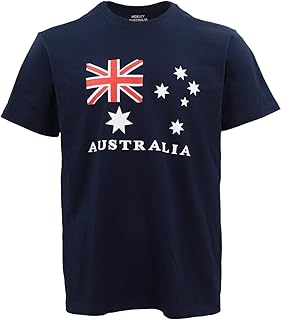
While the temporary truce in tariff escalations offers some respite, the vulnerability of Australia’s supply chain remains a pressing concern. Bringing manufacturing back home not only reduces exposure to global volatility but also offers benefits like enhanced supply chain transparency and quicker production lead times.

When it comes to textile production, the choice between synthetic and natural fibers is pivotal. While synthetic fibers dominate the market, with a significant portion manufactured in China, natural fibers like cotton and wool hold a special place in Australia’s agricultural landscape. However, challenges like declining wool production and high energy costs pose obstacles to local processing.
Adam Kay, the CEO of Cotton Australia, highlighted the barriers to local cotton processing, citing the prohibitive cost of energy. Despite these challenges, fostering a circular economy through local manufacturing could not only reduce carbon footprints but also strengthen the industry’s resilience.
As the Australian wool industry grapples with historic production lows, a glimmer of hope shone on the global stage at the Met Gala in New York. Several renowned brands opted to showcase wool outfits, elevating the fiber’s prominence in the fashion sphere.
Looking ahead, the Australian Fashion Council stresses the need for a concerted effort from both the government and private sector to realize the national manufacturing strategy. Lessons from past vulnerabilities, such as the inability to produce healthcare uniforms during the COVID-19 crisis, underscore the imperative for a resilient and self-sufficient fashion industry.
As the industry navigates the complexities of global trade dynamics and supply chain disruptions, the push to revitalize Australian garment manufacturing stands as a beacon of resilience and sustainability in an ever-evolving fashion landscape.
📰 Related Articles
- Vinnies WA Campaign Redefines Fashion Perception in Local Communities
- Sydney Singers Annie Hamilton and Maddy Jane Shine at Australian Fashion Week
- Sustainable Australian & NZ Lingerie Brands Redefine Intimate Fashion
- Stunning Beauty Trends from Australian Fashion Week 2025
- Local Designers Redefining Luxury Fashion in Australia