Body positivity has long been a focal point in the fashion industry, predominantly championed by female models challenging unrealistic body standards. However, the spotlight on male models and their portrayal in advertising has been notably dimmer. Fortunately, a shift is occurring as more brands embrace inclusivity, featuring a diverse range of male underwear models.

In 2022, the department store Myer faced criticism for showcasing body-inclusive female models while overlooking the representation of diverse male figures. This disparity was vividly illustrated when a tweet juxtaposed the array of female models against uniformly chiseled male counterparts, underscoring the incomplete realization of body positivity messaging.

Responding to the feedback, Myer has since diversified its male model lineup, reflecting a broader spectrum of body types. A recent advertisement notably showcased a model of larger build confidently sporting Tommy Hilfiger underwear, symbolizing a departure from the conventional norms of male physique representation.

Myer is not alone in this progressive stance. Bonds, a prominent clothing brand known for its non-binary underwear range, has also expanded its male model diversity. In a recent campaign, Bonds featured two men, one adorned with tattoos and devoid of the stereotypical six-pack abs, signifying a departure from the traditional standards perpetuated in the fashion industry.

This shift towards inclusivity in male underwear advertising marks a significant departure from past practices, where the male physique was often homogenized and idealized. The evolving landscape of fashion advertising indicates a broader cultural shift towards embracing diversity and challenging entrenched beauty standards.

Industry experts recognize the importance of these strides towards inclusivity in advertising, noting the positive impact on consumer perceptions and brand image. By showcasing a more authentic and diverse range of male models, brands like Myer and Bonds are not only promoting body positivity but also fostering a more inclusive and representative portrayal of masculinity in the fashion industry.
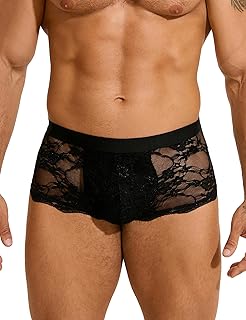
As the fashion world continues to evolve, driven by changing societal norms and consumer expectations, the visibility of diverse male models in advertising serves as a testament to the industry’s commitment to inclusivity and representation. By amplifying diverse voices and bodies, brands are not only reflecting the realities of their consumer base but also reshaping traditional notions of beauty and masculinity.
📰 Related Articles
- Toddlers’ Fashion Industry Embraces Sustainability and Innovation
- Retail Industry Embraces Inclusive Fashion for Disabled Consumers
- Magic Industry Embraces Diversity and Online Accessibility
- Fashion Industry Faces Size Diversity Crisis at Australian Fashion Week
- Young Fashion Maven Redefines Sportswear in Squash Industry